
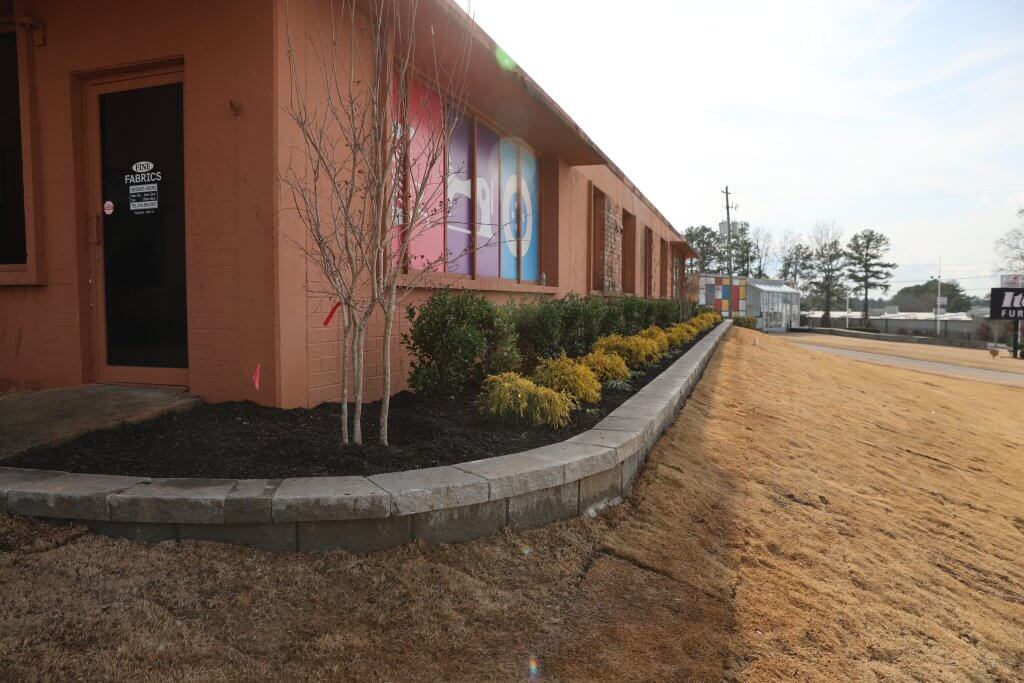
Managing a premium commercial property requires keeping your grounds pristine while keeping your annual facilities budget entirely predictable. Your exterior landscape functions as your property’s physical handshake, meaning that a poorly maintained storefront or office entryway can quickly turn away high-value clients and premium tenants. Securing an airtight, comprehensive commercial landscape contract is the single best way to protect your physical real estate assets from neglect and unexpected out-of-pocket operational costs.
Many asset managers experience immense administrative friction simply because their active service agreements leave too much room for ambiguity. Transitioning to a highly structured, legally binding agreement ensures that your green spaces remain beautiful, uniform, and fully compliant across every changing season.
Defining a Transparent Scope of Work
The bedrock of any successful corporate service relationship is an explicit, line-item definition of exactly what services are being performed on your grounds. If a proposal looks unusually cheap on paper, it is often because vital care tasks have been omitted entirely.
Comprehensive Base Services
Your regular maintenance outline must clearly state foundational requirements like turf mowing, mechanical string trimming, and sidewalk edge detailing. Having these tasks listed directly in your commercial landscape contract prevents a contractor from charging extra for standard weekly care.
Hard Surface Cleaning and Debris Management
- Litter Removal: The agreement should specify regular trash collection across outparcels and parking lot boundaries.
- Pedestrian Pathway Blowing: Daily or weekly clearing of main walkways, plazas, and courtyards keeps entryways completely clear.
- Natural Waste Hauling: Ensure that the contract mandates removing all heavy organic waste and lawn clippings off-site immediately.
Establishing Strict Service Frequencies and Scheduling Parameters
A premier corporate agreement must go beyond simply listing tasks; it needs to dictate exactly when and how often those tasks are executed throughout the fiscal year. Frequencies should adapt dynamically to your regional climate cycles.
High-Growth vs. Dormant Season Intervals
During the heavy spring and summer growing months, your property will require high-frequency weekly mowing and weed mitigation cycles to maintain its corporate image. Conversely, your custom commercial landscape contract must define a reduced, as-needed schedule during winter dormancy to optimize your operational funds.
Off-Peak Operational Hours
High-traffic business environments cannot afford loud equipment disruptions during peak retail hours or critical corporate client meetings. Ensure your agreement establishes strict, low-noise service windows that protect tenant peace and preserve customer parking space availability.
Integrating Vital Seasonal Provisions and Material Applications
Healthy, vibrant turf requires proactive biological nutrition and infrastructure upkeep that extends far beyond basic lawn cutting. These premium adjustments must be fully detailed within your core budgeting plan.
Soil Fertility and Chemical Controls
Your annual agreement must specify exactly how many rounds of turf fertilization, lime applications, and low-odor pre-emergent weed controls are included. Documenting these applications inside the commercial landscape contract safeguards your common area lawns against sudden disease or severe weed infestations.
Mulch Installations and Seasonal Floral Rotations
Fresh mulch applications and colorful entrance floral adjustments should never be treated as unexpected financial surprises. Ensure your contract details the precise frequency and yardage of premium mulch or pine straw installations to preserve consistent curb appeal.
Securing Urgent Storm Response Terms and Risk Mitigation
High-wind storms and sudden regional weather events present significant liability risks for commercial real estate infrastructure. Your service provider must be contractually bound to act as your first line of defense when disaster strikes.
Guaranteed Emergency Site Cleanup Turnaround
When fallen tree branches block emergency drops or parking gates, you cannot afford to wait days for assistance. An elite commercial landscape contract must include a dedicated emergency clause specifying a rapid turnaround window for clearing blocked pathways and restoring safe public access.
Proactive Hazard Mitigation
Your field crew should be tasked with evaluating structural liabilities—such as low-hanging branches under fifteen feet or severe soil erosion—before they cause property damage, keeping your liability profile exceptionally clean.
Mandating Robust Insurance and Institutional Compliance
The final and most critical component of a professional agreement centers around legal protection and corporate accountability. Never allow an uncertified crew to operate heavy machinery on your commercial asset.
Verifying Certified Insurance Thresholds
Your active agreement must mandate that the vendor carries extensive commercial landscape contract general liability insurance, comprehensive workers’ compensation, and automotive coverage. Requesting a validated Certificate of Insurance (COI) that names your property management firm as an additional insured is an absolute administrative necessity.
Credentials and Technical Certifications
Look for specialized credentials that prove advanced technical expertise. Selecting a team with elite certifications ensures they possess the engineering knowledge required to manage intricate commercial drainage installations and complex structural hardscapes safely under your commercial landscape contract parameters.
Securing Peace of Mind for Your Commercial Real Estate Asset
Sustaining an immaculate, safe, and highly marketable corporate property requires an organized agreement built on absolute transparency. By explicitly outlining your service scope, task frequencies, storm response protocols, and strict insurance mandates, you eliminate administrative guesswork and protect your long-term capital investments. Partnering with a disciplined commercial team ensures your real estate assets retain peak market value while saving your management team from unexpected facilities expenses.
Are you ready to establish a reliable, stress-free maintenance program that protects your operational bottom line? To upgrade your property standards with a precise, fully customized commercial landscape contract, call us at: 816-868-0593 today or reach our team online to arrange your initial on-site property evaluation and receive an itemized commercial proposal.
Varying service frequencies ensure your property gets maximum care during the fast-growing summer months while scaling back to cost-effective maintenance during winter, allowing you to optimize your annual facilities budget.
A professional commercial landscape contract includes a dedicated storm clause that guarantees a rapid response time to clear blocked driveways, remove hazardous fallen branches, and ensure safe pedestrian access after severe weather hits.
Yes. Including mulch applications and seasonal entrance flower rotations in your primary commercial landscape contract protects your property board from unexpected out-of-pocket bills during major seasonal transitions.
You must require a current Certificate of Insurance (COI) proving the vendor carries comprehensive general liability, commercial auto coverage, and full workers’ compensation to shield your real estate asset from third-party operational risks.